
Choosing the Best Materials for Long-lasting Outdoor Patio Furniture

Investing in durable outdoor patio furniture is essential for creating a comfortable and inviting outdoor space that withstands the elements and provides years of enjoyment. When selecting materials for outdoor furniture near me, it’s important to consider factors such as durability, weather resistance, maintenance requirements, and aesthetic appeal. In this guide, we’ll explore some of the best materials for durable outdoor patio furniture to help you make informed decisions for your outdoor living space.

Teak

living roomTeak is usually recognized as one of the greatest materials for outdoor furniture due to its high durability and inherent resistance to rot, decay, and insects. Teak wood features natural oils that protect it from moisture, making it suitable for outdoor usage in a variety of climates. Teak furniture is noted for its ageless beauty, rich golden color, and low care requirements. While teak furniture may require occasional cleaning and sealing to keep its beauty, with appropriate care, it may endure for decades, making it an excellent investment for your patio.

Aluminum

Aluminum furniture is highly durable and requires minimal maintenance, making it ideal for busy homeowners who want hassle-free outdoor furniture. Powder-coated aluminum finishes provide added protection against corrosion and fading, ensuring that your furniture retains its appearance and integrity over time. Aluminum furniture is available in diverse styles and designs, offering versatility and flexibility to suit any outdoor aesthetic.

Wrought Iron

Wrought iron is known for its strength, durability, and timeless beauty, making it a popular material for outdoor patio furniture. Wrought iron furniture is hefty and solid so that it can withstand high winds and harsh weather. While wrought iron furniture may require periodic maintenance, such as painting or sealing to prevent rust and corrosion, its durability and longevity make it a worthy investment for outdoor use.

Polyethylene (HDPE) Wicker

Polyethylene (HDPE) wicker is a synthetic material that offers the look and feel of natural wicker with added durability and weather resistance. HDPE wicker furniture is made from high-density polyethylene resin, which is resistant to fading, cracking, and peeling, even when exposed to harsh sunlight and moisture. Unlike natural wicker, HDPE wicker does not require painting, staining, or sealing, making it a low-maintenance option for outdoor use. HDPE wicker furniture is available in a variety of colors and styles, from classic rattan to modern resin weaves, allowing you to customize your patio furniture to suit your taste and preferences.

Resin

Resin furniture is made from synthetic materials such as polypropylene or polystyrene and is valued for its durability, weather resistance, and affordability. Resin furniture is light, easy to clean, and resistant to moisture, stains, and UV rays, making it an excellent choice for outdoor use in any climate. It is available in a wide range of colors and styles, from classic Adirondack chairs to sleek contemporary dining sets, offering versatility and flexibility to match your patio decor.

Conclusion

sofaChoosing the best materials for durable outdoor patio furniture involves considering factors such as durability, weather resistance, maintenance requirements, and aesthetic appeal. Teak, aluminum, wrought iron, polyethylene wicker, and resin are among the top materials recommended for outdoor furniture due to their exceptional durability, weather resistance, and low maintenance requirements. By selecting high-quality materials and investing in well-made outdoor furniture, you can create a stylish, comfortable, and long-lasting outdoor living space that you’ll enjoy for years to come.

Related Post

Why Interior Window Shutters Remain a Long-Term Home Improvement InvestmentWhy Interior Window Shutters Remain a Long-Term Home Improvement Investment

Home improvement projects often focus on features that improve comfort, appearance, and long-term value. Among the many options available, interior window shutters continue to stand out as a practical choice for homeowners. When selecting window solutions, getting high-quality items from a trusted supplier of roller shutters can help homeowners find options that suit both their functional needs and design preferences. Unlike temporary window coverings, shutters are designed to become a permanent part of the home. They offer lasting functionality while complementing a wide range of architectural styles. Their combination of durability and everyday usefulness has helped them remain popular for many years. Understanding why interior window shutters remain a long-term home improvement investment explains why they continue to appeal to homeowners looking for lasting results rather than short-term upgrades.

Improving Everyday Home Comfort

Interior window shutters contribute to a more comfortable indoor environment throughout the year. Their adjustable panels allow homeowners to control the amount of sunlight entering each room with greater precision than many other window coverings. Natural light can brighten living spaces without creating excessive glare. During warmer months, shutters help reduce direct sunlight that may increase indoor temperatures. In cooler seasons, they provide an additional layer between the window and the interior space. While they are not a replacement for proper insulation, they can contribute to maintaining a more comfortable indoor atmosphere. These practical benefits make shutters valuable long after installation.

Providing Lasting Durability

One reason interior window shutters remain a worthwhile investment is their long service life. High-quality shutters are built from materials designed to withstand daily use for many years. Unlike fabric curtains that may fade or wear over time, shutters maintain their structure with routine care. They resist frequent opening and closing while continuing to operate smoothly. Many homeowners appreciate that they do not need to replace shutters as often as other window treatments. This durability helps reduce long-term maintenance and replacement costs. Investing in products designed for extended use often provides better overall value.

Supporting Better Light and Privacy Control

Managing natural light and maintaining privacy are important considerations in any home. Interior window shutters offer flexible control over both without requiring homeowners to sacrifice one for the other. Adjustable louvers allow sunlight to enter while limiting direct visibility from outside. This flexibility makes them suitable for bedrooms, living rooms, kitchens, and home offices. Homeowners can modify the angle of the panels throughout the day as lighting conditions change. This level of control creates comfortable living spaces while maintaining privacy when needed. The ability to make quick adjustments adds convenience to everyday life.

Complementing Different Interior Styles

Interior design trends continue to evolve, yet window shutters remain compatible with a wide variety of decorating styles. Their clean appearance allows them to blend naturally with both traditional and modern interiors. Neutral finishes complement changing furniture and wall colors without requiring replacement. Homeowners who renovate other parts of the house often find that shutters continue matching updated décor. Their simple design provides long-term visual appeal that does not depend on temporary design trends. This flexibility allows shutters to remain relevant even as interior preferences change over time.

Contributing to Property Value

Many home improvement projects are evaluated not only by their immediate benefits but also by their potential impact on property value. Interior window shutters are often viewed as permanent fixtures that become part of the home’s overall design. Potential buyers frequently appreciate improvements that combine appearance with practical function. Well-maintained shutters can contribute to a polished and finished look throughout the property. Their reputation for durability and convenience may also enhance buyer interest. Although no single feature guarantees increased resale value, permanent upgrades often create a more attractive overall presentation. Thoughtful improvements can leave a positive impression during future property sales.

Reducing Ongoing Maintenance

Maintaining a clean home becomes easier when household features require minimal upkeep. Interior window shutters are relatively simple to maintain compared with many fabric window coverings. Routine dusting and occasional wiping usually keep them looking presentable. Fabric curtains often require laundering or professional cleaning, while blinds may contain delicate cords or thin slats that require extra care. Shutters feature sturdy construction that simplifies regular cleaning. Their low-maintenance design appeals to busy households seeking practical home solutions. Over time, reduced maintenance requirements contribute to their long-term value.

Interior window shutters continue to be a smart home improvement investment because they combine durability, comfort, light control, design flexibility, and low maintenance in a single product. They provide everyday practical benefits while remaining attractive across changing interior styles. Their long service life helps homeowners enjoy lasting performance without frequent replacement. Understanding why interior window shutters remain a long-term home improvement investment highlights the value of choosing permanent upgrades that continue delivering benefits for years. Rather than focusing only on appearance, shutters support comfort, functionality, and lasting home quality, making them a dependable addition to many residential properties.

an ideal kitchen

Three Practical Remodeling Ideas for Your KitchenThree Practical Remodeling Ideas for Your Kitchen

When it comes to house remodeling, the kitchen is often the last part of the house that concerns house owners. Most of the time, it is the house’s external elements like the wall, roof, windows, and doors that get the most maintenance and upgrades. They are vital, indeed. But you need to think about the inside parts of your home as well, particularly the kitchen. 

In this article, we’ll discuss three practical upgrades you can have in the kitchen. Not only will they improve the kitchen’s aesthetics, but they will also make you more productive there. 

Get a Countertop or Upgrade the Existing One

a minimalist countertopThere are many materials to make a countertop: quartz, granite, marble, wood, resin, and concrete. But here, we consider quartz and granite are the only worthy upgrades for you. 
Quartz is first on the list because it can be a cheaper alternative to granite. Quartz is an engineered material, meaning that it is not 100% natural, like granite or marble. But since quartz is made with technology, it has all the pros that other natural stones don’t have. First, quartz is poreless. You don’t have to reseal it, and you don’t need to worry about bacteria buildups or stains. Second, quartz can also mimic the veins and polished look of natural stones. If you are into the ‘natural’ looking kitchen, quartz can still be your best countertop material. There are only two drawbacks of this seemingly flawless material: it is not as heat-resistant as natural stones, and it weighs very heavy. One square foot of a quartz slab with 3/4 thickness weighs twice as much as a granite slab. 

A granite countertop, on the other hand, can withstand heat very well. A slab with 3/4 thickness weighs only 13 lbs per square foot. It lasts a lifetime as well, but you will need to reseal a granite countertop at least once in two years. And even though we say quartz can imitate the look of natural stones, sharp eyes will still notice the subtle difference between the artificial and the natural one.

Add Racks Smartly

Cabinetry alone won’t suffice. You will need racks to hang your pots and pans. Some racks are even equipped with magnets so that you can put your knife set there as well. There are so many models of kitchen racks you can find online. But you can hold to these three principles when choosing them: space efficiency, durability, and harmony. 

Install a Pull-Down Faucet 

Stiff-necked faucets dominate household sinks. And no one actually knows why that design style is recurring. If we take a look at commercial restaurants, we won’t find stiff-necked faucets but the pull-down ones. And that is because pull-down faucets give much more flexibility to us when we wash the dishes. However, make sure that the pull-down has a sprayer feature in it. It allows you to wash dishes more cleanly and saves water. 

Easy Yard Improvements That Don’t Require a Green ThumbEasy Yard Improvements That Don’t Require a Green Thumb

A beautiful yard does not have to come with dirt-stained gloves and endless weekends of upkeep. Many homeowners want outdoor spaces that look polished but behave nicely. The good news is that some of the most appealing improvements barely involve plants at all. These changes focus on structure, texture, and comfort, not gardening skills.

Think of your yard as another room that happens to be outdoors. Small adjustments can shift the mood fast. A clearer layout, better surfaces, and thoughtful details go a long way. Here are yard improvements that look intentional and stay forgiving.

Gravel Paths and Defined Walkways

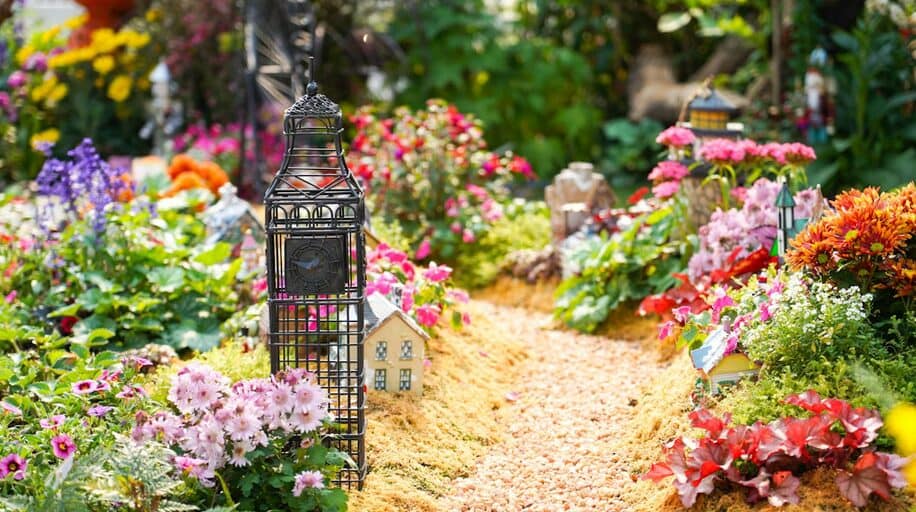
Gravel paths bring order to a yard without asking much in return. They create visual lines that guide the eye and the feet. Installation is simple, and maintenance stays low. Occasional raking is usually enough to keep things tidy. This type of pathway quietly signals care without demanding attention every week. These walkways also handle the weather better than grass. Rain drains easily, and mud stays away from shoes. Gravel adds texture without fuss. It quietly makes the yard feel planned instead of patched together. Even small yards benefit from the sense of direction these paths provide.

Outdoor Seating That Anchors the Space

Furniture changes how a yard feels faster than any plant. A bench, chairs, or a small table signal how the space should be used. Seating creates purpose without demanding watering schedules. It invites pause. Suddenly, the yard feels ready for people, not projects. Materials matter here. Weather-resistant wood, metal, or composite pieces age gracefully. Cushions can add comfort without commitment. Suddenly, the yard feels like a destination, not a chore. Even one well-placed seat can shift how the space is perceived.

Raised Beds Filled With Low-Drama Plants

Raised beds give shape even if the plants inside barely cooperate. Their structure adds height and definition right away. You can fill them with hardy shrubs, ornamental grasses, or even decorative stones. The bed itself does most of the visual work. Clean edges alone can make the yard feel intentional. Another perk is control. Raised beds limit weeds and help soil drain better. They reduce bending and guesswork. Even a simple mix of greenery looks thoughtful when framed cleanly. This approach favors consistency over constant adjustment.

Mulch That Does the Heavy Lifting

Mulch is an unsung hero in low-effort yards. It smooths visual gaps and keeps weeds from stealing attention. Bark, wood chips, or stone mulch all work well. Each option brings a slightly different mood. The surface looks finished almost instantly. Beyond looks, mulch protects soil from harsh sun. It keeps moisture where it belongs. This simple layer saves time and frustration. The yard appears finished even on lazy days. It also helps unify areas that feel visually scattered.

Lighting That Works After Sunset

Outdoor lighting extends yard enjoyment without touching a single plant. Solar path lights, string lights, or wall-mounted fixtures add warmth. They highlight features you already have. The yard gains depth once the sun dips. Lighting makes outdoor spaces feel intentional at all hours. Lighting also improves safety and flow. Paths become clearer, steps less tricky.

Soft light creates an atmosphere without shouting. Even modest yards feel welcoming after dark. The space continues to work long after daylight fades. These improvements share one thing in common. They rely on design choices instead of gardening talent. Structure replaces stress. Comfort takes priority over constant care.