
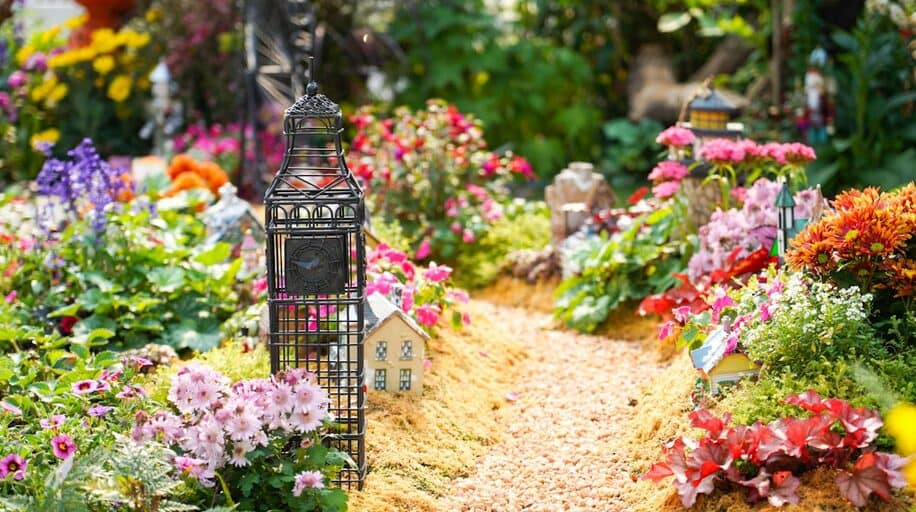
A beautiful yard does not have to come with dirt-stained gloves and endless weekends of upkeep. Many homeowners want outdoor spaces that look polished but behave nicely. The good news is that some of the most appealing improvements barely involve plants at all. These changes focus on structure, texture, and comfort, not gardening skills.
Think of your yard as another room that happens to be outdoors. Small adjustments can shift the mood fast. A clearer layout, better surfaces, and thoughtful details go a long way. Here are yard improvements that look intentional and stay forgiving.
Gravel Paths and Defined Walkways
Gravel paths bring order to a yard without asking much in return. They create visual lines that guide the eye and the feet. Installation is simple, and maintenance stays low. Occasional raking is usually enough to keep things tidy. This type of pathway quietly signals care without demanding attention every week. These walkways also handle the weather better than grass. Rain drains easily, and mud stays away from shoes. Gravel adds texture without fuss. It quietly makes the yard feel planned instead of patched together. Even small yards benefit from the sense of direction these paths provide.
Outdoor Seating That Anchors the Space

Furniture changes how a yard feels faster than any plant. A bench, chairs, or a small table signal how the space should be used. Seating creates purpose without demanding watering schedules. It invites pause. Suddenly, the yard feels ready for people, not projects. Materials matter here. Weather-resistant wood, metal, or composite pieces age gracefully. Cushions can add comfort without commitment. Suddenly, the yard feels like a destination, not a chore. Even one well-placed seat can shift how the space is perceived.
Raised Beds Filled With Low-Drama Plants
Raised beds give shape even if the plants inside barely cooperate. Their structure adds height and definition right away. You can fill them with hardy shrubs, ornamental grasses, or even decorative stones. The bed itself does most of the visual work. Clean edges alone can make the yard feel intentional. Another perk is control. Raised beds limit weeds and help soil drain better. They reduce bending and guesswork. Even a simple mix of greenery looks thoughtful when framed cleanly. This approach favors consistency over constant adjustment.
Mulch That Does the Heavy Lifting

Mulch is an unsung hero in low-effort yards. It smooths visual gaps and keeps weeds from stealing attention. Bark, wood chips, or stone mulch all work well. Each option brings a slightly different mood. The surface looks finished almost instantly. Beyond looks, mulch protects soil from harsh sun. It keeps moisture where it belongs. This simple layer saves time and frustration. The yard appears finished even on lazy days. It also helps unify areas that feel visually scattered.
Lighting That Works After Sunset
Outdoor lighting extends yard enjoyment without touching a single plant. Solar path lights, string lights, or wall-mounted fixtures add warmth. They highlight features you already have. The yard gains depth once the sun dips. Lighting makes outdoor spaces feel intentional at all hours. Lighting also improves safety and flow. Paths become clearer, steps less tricky.
Soft light creates an atmosphere without shouting. Even modest yards feel welcoming after dark. The space continues to work long after daylight fades. These improvements share one thing in common. They rely on design choices instead of gardening talent. Structure replaces stress. Comfort takes priority over constant care.

 Vertical gardening is a game-changer for small outdoor spaces. Instead of traditional horizontal plant beds, think vertical. Utilize walls, fences, and trellises to create a lush green oasis in the air. Hanging planters are your best friends – they save precious floor space while adding visual interest. Mix and match different plant varieties to create a vibrant tapestry that climbs upwards. Consider using modular garden systems or DIY pallet planters for an urban chic look. These allow you to grow herbs, flowers, or veggies without much room. Don’t forget to use window boxes and railing planters for added eye-level greenery.
 When working with a small
 In case of a break-in, a home security camera can provide critical evidence that could help law enforcement identify and apprehend a suspect. Security cameras are great at capturing facial features, clothing items, and other details that may be useful in an investigation. It is also useful for documenting any suspicious activity that may be occurring outside or near your home.
 A home security camera allows you to monitor your property from anywhere with an internet connection. Most modern-day cameras are equipped with Wi-Fi capabilities, allowing you to access a live stream of the footage directly from your smartphone or laptop. This way, you can keep an eye on your property even when you are away. Some cameras also offer features such as motion sensors and two-way audio, which further enhances its usefulness as home security devices.
 Teak is usually recognized as one of the greatest materials for outdoor furniture due to its high durability and inherent resistance to rot, decay, and insects. Teak wood features natural oils that protect it from moisture, making it suitable for outdoor usage in a variety of climates. Teak furniture is noted for its ageless beauty, rich golden color, and low care requirements. While teak furniture may require occasional cleaning and sealing to keep its beauty, with appropriate care, it may endure for decades, making it an excellent investment for your patio.
 Choosing the best materials for durable outdoor patio furniture involves considering factors such as durability, weather resistance, maintenance requirements, and aesthetic appeal. Teak, aluminum, wrought iron, polyethylene wicker, and resin are among the top materials recommended for outdoor