
That Drip Under Your Sink Could Be a Bigger Problem Than You Think

That little drip under the kitchen sink looks harmless, but water rarely stays politely in one place. A quick call to Cincinnati Plumbing Services can stop a minor plumbing issue before it turns into a soggy cabinet, damaged flooring, or a much bigger repair bill. The trouble is that leaks can hide behind pipes, fittings, and cabinets. By the time you notice the damage, the water may have been working quietly for days. Ignoring the drip because “it’s only a few drops” is tempting. Your sink, however, does not care about your schedule. Water follows gravity, finds tiny gaps, and keeps moving. Here are five signs that your small leak deserves more attention.

There Is a Musty Smell

A strange musty smell under the sink is another clue. Persistent moisture creates conditions where mold and mildew can develop. You might notice the odor before you see any obvious growth. That makes your nose surprisingly useful during a plumbing inspection. Take everything out of the cabinet and look around the pipes. Check for damp surfaces, dark spots, and areas that never seem to dry. Do not assume the smell comes from an old sponge or cleaning product. Sometimes the cabinet is telling you that water has been hanging around too long.

The Cabinet Floor Feels Soft

Open the cabinet beneath the sink and press gently on its base. If the wood feels soft, swollen, or spongy, repeated moisture may already be causing damage. Particleboard can absorb water surprisingly quickly. Once it swells, drying it out may not bring it back to its original shape. Check the corners too. Water can travel along the cabinet floor before appearing somewhere else. A damp area that seems far from the pipe can still come from the same leak. This is why simply wiping the visible water may miss the real problem.

Water Appears in a Strange Place

Leaks can be sneaky little travelers. Water may begin at one connection and move along a pipe before dripping somewhere completely different. That can make the visible drip look like the source when it is actually the final stop. This is one reason leak diagnosis can be trickier than it appears. Look above, below, and behind the obvious wet area. Check supply lines, drain connections, shutoff valves, and the cabinet walls. If everything looks dry except one mysterious spot, keep watching after running the sink. A recurring pattern is valuable information for a plumber.

The Drip Gets Worse After Using the Sink

a woman using sink

Pay attention to timing. Does the dripping increase after you run the faucet, drain a full basin, or use the garbage disposal? That pattern can help identify where the water is escaping. A loose connection or damaged drain component may only leak when water passes through it. Try placing a dry paper towel around accessible connections. Run the faucet for a short time, then check the towel. A fresh wet spot can reveal the general location of the leak. Just keep your hands away from electrical components and avoid dismantling anything you cannot safely handle.

The Leak Keeps Coming Back

You tighten a fitting, wipe everything dry, and think the problem is finished. Then the drip returns tomorrow. That repeat performance is your cue to stop treating the leak as a one-time annoyance. Something may still be loose, worn, cracked, or incorrectly fitted. A small leak does not automatically mean an expensive repair. Acting early can help limit water damage and make diagnosis easier. If you cannot identify the source or the leak continues, calling a qualified plumber is the sensible next move. Your cabinet will probably thank you.

Related Post

outdoor

Choosing the Best Materials for Long-lasting Outdoor Patio FurnitureChoosing the Best Materials for Long-lasting Outdoor Patio Furniture

Investing in durable outdoor patio furniture is essential for creating a comfortable and inviting outdoor space that withstands the elements and provides years of enjoyment. When selecting materials for outdoor furniture near me, it’s important to consider factors such as durability, weather resistance, maintenance requirements, and aesthetic appeal. In this guide, we’ll explore some of the best materials for durable outdoor patio furniture to help you make informed decisions for your outdoor living space.

Teak

living roomTeak is usually recognized as one of the greatest materials for outdoor furniture due to its high durability and inherent resistance to rot, decay, and insects. Teak wood features natural oils that protect it from moisture, making it suitable for outdoor usage in a variety of climates. Teak furniture is noted for its ageless beauty, rich golden color, and low care requirements. While teak furniture may require occasional cleaning and sealing to keep its beauty, with appropriate care, it may endure for decades, making it an excellent investment for your patio.

Aluminum

Aluminum furniture is highly durable and requires minimal maintenance, making it ideal for busy homeowners who want hassle-free outdoor furniture. Powder-coated aluminum finishes provide added protection against corrosion and fading, ensuring that your furniture retains its appearance and integrity over time. Aluminum furniture is available in diverse styles and designs, offering versatility and flexibility to suit any outdoor aesthetic.

Wrought Iron

Wrought iron is known for its strength, durability, and timeless beauty, making it a popular material for outdoor patio furniture. Wrought iron furniture is hefty and solid so that it can withstand high winds and harsh weather. While wrought iron furniture may require periodic maintenance, such as painting or sealing to prevent rust and corrosion, its durability and longevity make it a worthy investment for outdoor use.

Polyethylene (HDPE) Wicker

Polyethylene (HDPE) wicker is a synthetic material that offers the look and feel of natural wicker with added durability and weather resistance. HDPE wicker furniture is made from high-density polyethylene resin, which is resistant to fading, cracking, and peeling, even when exposed to harsh sunlight and moisture. Unlike natural wicker, HDPE wicker does not require painting, staining, or sealing, making it a low-maintenance option for outdoor use. HDPE wicker furniture is available in a variety of colors and styles, from classic rattan to modern resin weaves, allowing you to customize your patio furniture to suit your taste and preferences.

Resin

Resin furniture is made from synthetic materials such as polypropylene or polystyrene and is valued for its durability, weather resistance, and affordability. Resin furniture is light, easy to clean, and resistant to moisture, stains, and UV rays, making it an excellent choice for outdoor use in any climate. It is available in a wide range of colors and styles, from classic Adirondack chairs to sleek contemporary dining sets, offering versatility and flexibility to match your patio decor.

Conclusion

sofaChoosing the best materials for durable outdoor patio furniture involves considering factors such as durability, weather resistance, maintenance requirements, and aesthetic appeal. Teak, aluminum, wrought iron, polyethylene wicker, and resin are among the top materials recommended for outdoor furniture due to their exceptional durability, weather resistance, and low maintenance requirements. By selecting high-quality materials and investing in well-made outdoor furniture, you can create a stylish, comfortable, and long-lasting outdoor living space that you’ll enjoy for years to come.

pergola

Why DIY Is Not Recommended When Building a Steel PergolaWhy DIY Is Not Recommended When Building a Steel Pergola

The reason, of course, is pretty obvious. You may not be able to come with the best results. While it may look easy to make your own pergola, it is actually not that simple. You may have the best ideas, but making them a reality can be difficult unless you are a contractor yourself.

You may be fond of doing DIY works in your home. But when it comes to building a pergola, you should leave that to a professional. A pergola almost always occupies a strategic location in our homes and is usually made for social functions and aesthetic purposes. Missing one can be disastrous.

You will be saving on money for sure if you build your own pergola. But is it worth it? Instead of spending your time to make it, you might as well devote your time to other money-making jobs and hire the most experienced builders of steel pergolas in Adelaide. You will be assured of a beautiful, weather-proof, and long-lasting pergola.

Here are the reasons to seek professionals’ services to build steel pergola instead of doing it yourself.

Not Enough Experience

Steel PergolaHave you ever made a pergola on your own? How many? If you hire a professional, you can be assured of the quality of his work because of the expertise he has gained from the many years he has been in the industry. He surely knows what to do – to realize your ideas into a beautiful and long-lasting pergola that can last for a lifetime.

Lack of Equipment

Is your set of home tools complete? If you are going to make a pergola made of steel, do you have a welding machine, a mini-mill, and a lathe machine, among many others? If you think you will be saving on money, you have to buy or rent some of the devices you need. It may not be wise to invest in expensive tools if you are not a professional who makes money out of these devices.

Limited Knowledge About Materials

Steel PergolaIt may be easy to go to a hardware store and purchase materials. But are they the right ones? A professional pergola contractor knows the best materials out there to ensure longevity because of their tensile strength against harsh weather conditions. They also know the brands that are strong enough against corrosion. A contractor also knows distributors with lower prices. This will help reduce costs.
Will you still go ahead, building your steel pergola? Here’s one last piece of advice. Better not, with the metal works along, it will not also be safe for an amateur like you. You may not even like to compromise the safety of your family and property.

Easy Yard Improvements That Don’t Require a Green ThumbEasy Yard Improvements That Don’t Require a Green Thumb

A beautiful yard does not have to come with dirt-stained gloves and endless weekends of upkeep. Many homeowners want outdoor spaces that look polished but behave nicely. The good news is that some of the most appealing improvements barely involve plants at all. These changes focus on structure, texture, and comfort, not gardening skills.

Think of your yard as another room that happens to be outdoors. Small adjustments can shift the mood fast. A clearer layout, better surfaces, and thoughtful details go a long way. Here are yard improvements that look intentional and stay forgiving.

Gravel Paths and Defined Walkways

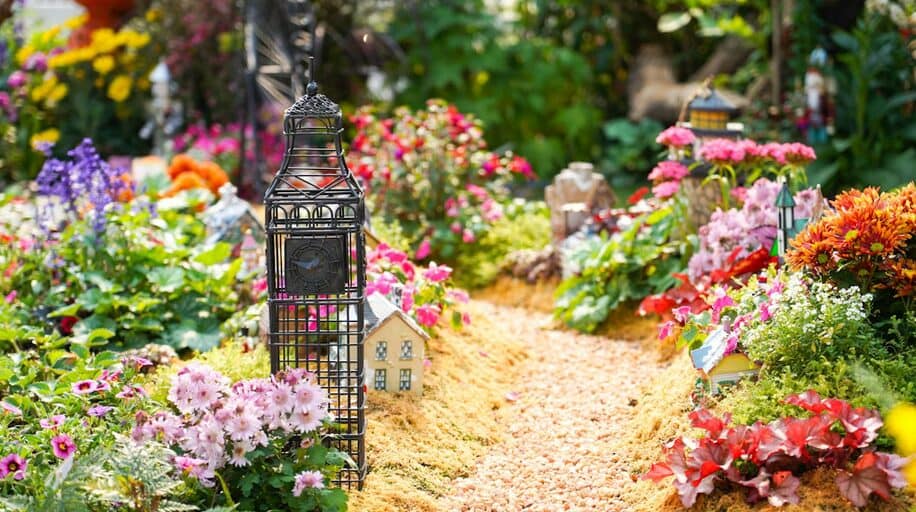
Gravel paths bring order to a yard without asking much in return. They create visual lines that guide the eye and the feet. Installation is simple, and maintenance stays low. Occasional raking is usually enough to keep things tidy. This type of pathway quietly signals care without demanding attention every week. These walkways also handle the weather better than grass. Rain drains easily, and mud stays away from shoes. Gravel adds texture without fuss. It quietly makes the yard feel planned instead of patched together. Even small yards benefit from the sense of direction these paths provide.

Outdoor Seating That Anchors the Space

Furniture changes how a yard feels faster than any plant. A bench, chairs, or a small table signal how the space should be used. Seating creates purpose without demanding watering schedules. It invites pause. Suddenly, the yard feels ready for people, not projects. Materials matter here. Weather-resistant wood, metal, or composite pieces age gracefully. Cushions can add comfort without commitment. Suddenly, the yard feels like a destination, not a chore. Even one well-placed seat can shift how the space is perceived.

Raised Beds Filled With Low-Drama Plants

Raised beds give shape even if the plants inside barely cooperate. Their structure adds height and definition right away. You can fill them with hardy shrubs, ornamental grasses, or even decorative stones. The bed itself does most of the visual work. Clean edges alone can make the yard feel intentional. Another perk is control. Raised beds limit weeds and help soil drain better. They reduce bending and guesswork. Even a simple mix of greenery looks thoughtful when framed cleanly. This approach favors consistency over constant adjustment.

Mulch That Does the Heavy Lifting

Mulch is an unsung hero in low-effort yards. It smooths visual gaps and keeps weeds from stealing attention. Bark, wood chips, or stone mulch all work well. Each option brings a slightly different mood. The surface looks finished almost instantly. Beyond looks, mulch protects soil from harsh sun. It keeps moisture where it belongs. This simple layer saves time and frustration. The yard appears finished even on lazy days. It also helps unify areas that feel visually scattered.

Lighting That Works After Sunset

Outdoor lighting extends yard enjoyment without touching a single plant. Solar path lights, string lights, or wall-mounted fixtures add warmth. They highlight features you already have. The yard gains depth once the sun dips. Lighting makes outdoor spaces feel intentional at all hours. Lighting also improves safety and flow. Paths become clearer, steps less tricky.

Soft light creates an atmosphere without shouting. Even modest yards feel welcoming after dark. The space continues to work long after daylight fades. These improvements share one thing in common. They rely on design choices instead of gardening talent. Structure replaces stress. Comfort takes priority over constant care.